
نور محمد
Nur Muhammad
The Light of the Prophet in Islamic Mysticism
An interactive exploration of the primordial light—from Tustari's crystal column to the ecstatic poetry of Rumi, Hallaj, and Yunus Emre
The purpose of this zine is to explore the various ways in which the devotion for the Prophet Muhammad is expressed in Muslim communities. The main class text that has been relied upon is: And Muhammad is His Messenger by Annemarie Schimmel.
Introduction from Schimmel on Nur Muhammad
The Light of Muhammad
One of the central themes of the mystical theology of Islam is the idea that illuminates the darkness of this world, the radiant candle round which human hearts thrive like moths, the light of Muhammad: the Light of Muhammad, which, according to the Hadith, God created before everything else and from which the whole universe came into being.
The Primordial Light
Origins of the Nur Muhammad Concept
The Shining Lamp
The Quran itself (Sura 33:46) calls the Prophet sirajan munir, "a shining lamp." The theologian Muqatil, in the eighth century, was the first to interpret the celebrated Light Verse (Sura 24:35) as referring to Muhammad:
"God is the Light of the heavens and the earth; the likeness of His light is as a niche wherein is a lamp—the lamp in a glass, the glass as if it were a glittering star— kindled from a Blessed Tree... Light upon Light."— Sura 24:35 (The Light Verse)
The Prophet's Prayer of Light
"O God, place light in my heart, and light in my soul, light upon my tongue, light in my eyes and light in my ears, place light at my right, light at my left, light behind me and light before me, light above me and light beneath me. Place light in my nerves, and light in my flesh, light in my blood, light in my hair and light in my skin! Give me light, increase my light, make me light!"
— Prophetic prayer (du'a), transmitted for centuries as one of the most treasured devotions
The Hidden Treasure
Central to this mystical tradition is the hadith qudsi: "If you had not been, I would not have created the spheres" (Lawlaka ma khalaqtu'l-aflaka). God, longing in His pre-eternal loneliness to be known and loved, created Muhammad as the first mirror for His light and His beauty—a mirror in which He could look at Himself full of love.
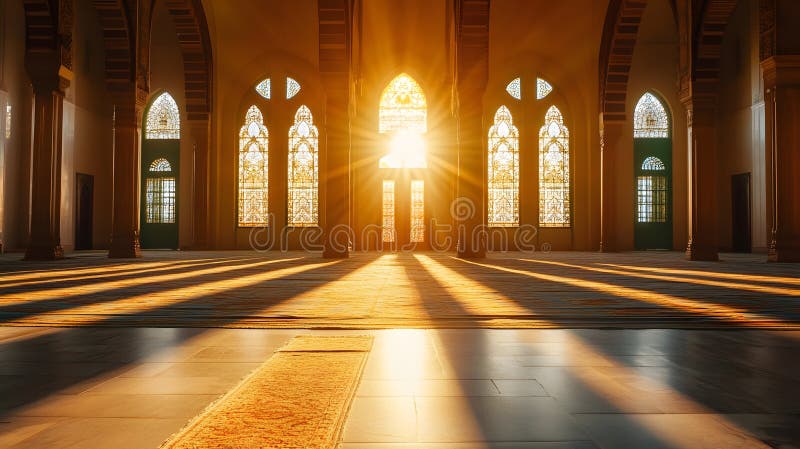
Divine light streaming through sacred architecture—a visual metaphor for the Nur Muhammad
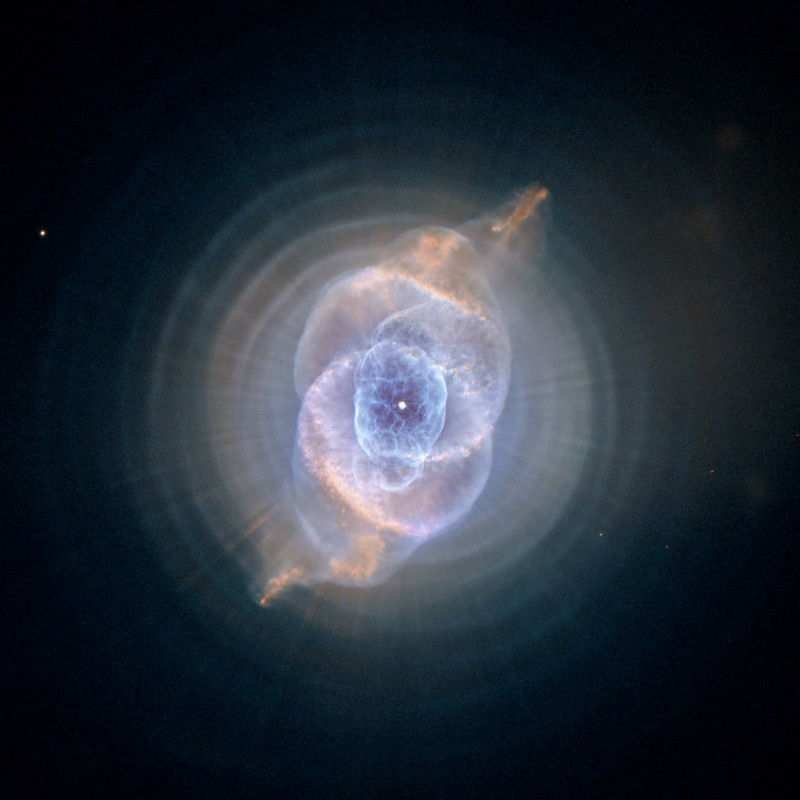
The Column of Light
Sahl at-Tustari's Mystical Vision (d. 896)
"When God willed to create Muhammad, He made appear a light from His light. When it reached the veil of the Majesty, it bowed in prostration before God. God created from its prostration a mighty column like crystal glass of lightthat is outwardly and inwardly translucent."
— Sahl at-Tustari, as interpreted by Gerhard Bowering
The Luminous Column
Tustari envisioned the Nur Muhammad as a luminous mass of primordial adoration, taking the shape of a transparent column (amud) of divine light. This column stood before God for a million years before creation, in a state of pure worship (ubudiyya).
The Lote Tree Vision
Tustari connected Sura 53—"And he saw him still another time"—not to the Prophet's heavenly journey, but to the beginning of time itself, when the column of Light stood before God "at the Lote Tree of the Boundary, the tree at which the knowledge of everyone comes to an end."
Adam from Light
"God created Adam from the light of Muhammad." The primal man was moulded from the crystallized light. As Ibn Arabi later stated: the Prophet is "like the seed of the human race"—prior to Adam in essence though outwardly his descendant.
The Chain of Light
"The light of the prophets is from his, Muhammad's light, and the light of the heavenly kingdom is from his light, and the light of this world and of the world to come is from his light."
— Tustari's doctrine, as transmitted by Bowering

Ibn Arabi's Haqiqa Muhammadiyya & the Insan Kamil
The Perfect Man
"The first light appears out of the Veil of the Unseen, and from knowledge to concrete existence, it is the light of our Prophet Muhammad... The intelligences, the spirits, the intuitions, and the essences are nourished by the luminous essence of Mustafa the Elect, who is the Sun of Existence."
— Ibn Arabi, Profession of Faith
Haqiqa Muhammadiyya
The Muhammadan Reality
The preexistent essence of the Prophet, the fountainhead of all prophetic activity. It manifests first in Adam, then in all prophets, until finding full expression in the historical Muhammad—the Alpha and Omega of creation. Al-Jili describes it as appearing in pre-eternity as a white chrysolite; God looks at it, and it dissolves into the waters from which creation emerges.
Insan Kamil
The Perfect Man
Muhammad is the Perfect Man in whom the pleroma of the Divine attributes and names is reflected. He is the barzakh—the isthmus between the Necessary and contingent existence. In the profession of faith itself: Muhammad is the "manifested principle," rasul is the "manifesting principle," and Allah is the "Principle in Itself."
Seal of the Prophets
Khatam an-Nabiyyin
As the first thing ever created, he is also the last prophet to appear in the flesh. In this dual role he bears all the Divine Names. All the perfections of his predecessors are united in him "as the sum of an arithmetic series represents all numbers." The message of any prophet who ever lived was but a fragment of Muhammad's comprehensive message.
The Mirror of God
Mir'at al-Haqq
God, longing in His pre-eternal loneliness to be known and loved, created Muhammad as the first mirror for His light. "Who has seen me, has seen al-haqq." The poets sang: "God made you the mirror of the Essence, a looking glass for the unique Essence" and "Your person is the mirror of the unqualified Light!"
Abdul Qadir al-Gilani (12th century)
"He is the central pearl in the necklace of prophethood and the gem in the diadem of messengers. He is the first according to the cause, and the last in existence. He was sent to tear the veil of sorrow, to make the difficult easy, to polish the mirror of the souls, to illuminate the darkness of the hearts, to make rich those who are poor in heart and to loosen the fetters of the souls."
Sufi Poetry Celebrating the Prophet's Light
Voices of Devotion
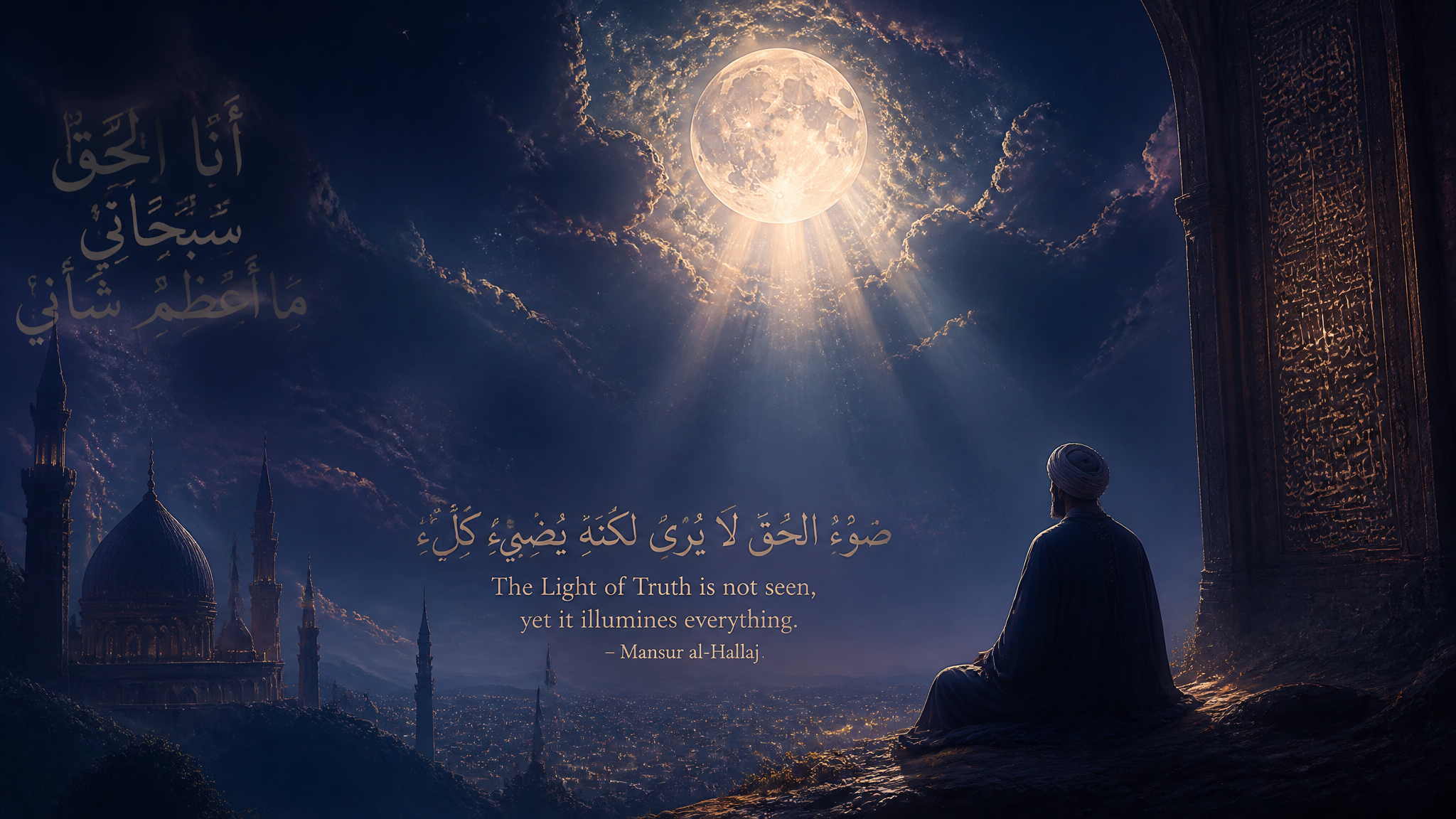
Mansur al-Hallaj
منصور الحلاج
Tasin of the Lamp
He was a lamp from the light of the Invisible,
a moon radiating among the moons,
whose mansion is in the sphere of mysteries.
The lights of prophethood—
from his light did they spring forth,
and their lights appeared from his light,
and there is no light among the lights
more luminous and more visible
and previous to preexistence,
than the light of this noble one.
From Kitab al-Tawasin, translated by Annemarie Schimmel
Sacred Sound
Qawwali, Dhikr & Devotional Music
One of the most moving experiences in the Islamic world is a qawwali gathering, where the leading singer and the responding chorus slowly build to a state of near ecstasy. These devotional performances are living expressions of the love for the Prophet's light.
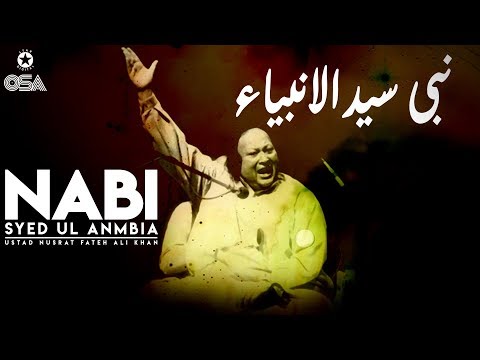
Nabi Syed Ul Anmbia
Ustad Nusrat Fateh Ali Khan performs this powerful qawwali praising the Prophet as the "Chief of all Prophets," with the transcendent vocal mastery that earned him the title "Shahenshah-e-Qawwali" (Emperor of Qawwali).

Tajdar-e-Haram
The legendary Sabri Brothers — Ghulam Farid Sabri and Maqbool Ahmed Sabri — perform the iconic "Tajdar-e-Haram," a timeless tribute to the Prophet Muhammad as the "Crown of the Sacred Sanctuary." Their rendition remains the definitive qawwali classic.
The Noble Description
Ottoman Hilya Sharif Calligraphy
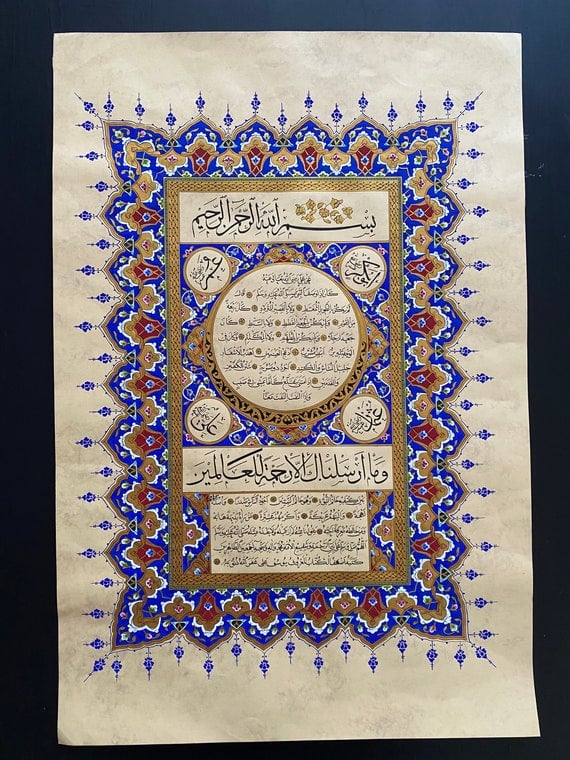
Hilye-i Şerif — A traditional Ottoman calligraphic portrait of the Prophet
What is a Hilya?
The Hilye-i Şerif (Noble Description) is a uniquely Ottoman art form that uses calligraphy to create a verbal portrait of the Prophet Muhammad. Since Islamic tradition generally avoids visual depictions, the Hilya uses words to paint—describing the Prophet's physical appearance, moral qualities, and spiritual attributes.
Light Without Shadow
Calligraphers noted that none of the Prophet's names—Muhammad, Ahmad, Hamid, Mahmud— nor his epithet rasul Allah have any diacritical marks in Arabic writing. His luminosity, they felt, was not sullied by black spots. The legend that he did not cast a shadow further connected him to the sphere of pure light: "He was, from one point of view, the sun, and the sun has no shadow."
"God loved this light and said: 'My beloved friend!' And became enamored of this light."
— Khaqani, Turkish Hilya
Living Traditions
Regional Expressions of Prophetic Love
Bengali Milad-un-Nabi
In Bengal, the celebration of the Prophet's birth, known as Milad-un-Nabi, is a cornerstone of popular religious life. Sufi khanqahs like Furfura Sharif in West Bengal serve as living archives, preserving centuries of devotional memory through oral traditions and manuscripts of naat poetry in Persian, Urdu, and Bengali. Communal gatherings (mahfils) feature Quranic recitation, sermons on the Prophet's life, and the choral singing of praise poetry. The medieval Bengali mystic Shaikh Chand described the creation beginning with Nur Muhammad: "The Lord of nur with a stick in his hand, gazed to the east. The creation began with nur Muhammad."
Sindhi Sufi Devotion
The soul of Sindhi Sufism is captured in the work of Shah Abdul Latif Bhittai (d. 1752), whose masterpiece, the Shah Jo Risalo, uses the heroines of Sindhi folklore as allegories for the soul's quest for the Divine Beloved. The Kalhora prince Sarfaraz Khan of Sind composed a touching invocation during his imprisonment in 1774: "There was no creation, no angels, neither heaven nor earth—Your light was radiant before everything." The Naqshbandi mystic Abdur Rahim Girhori wrote an extraordinary commentary on Sura al-Kawthar celebrating the Prophet as the cup-bearer of all divine grace.
Turkish Mevlid Tradition
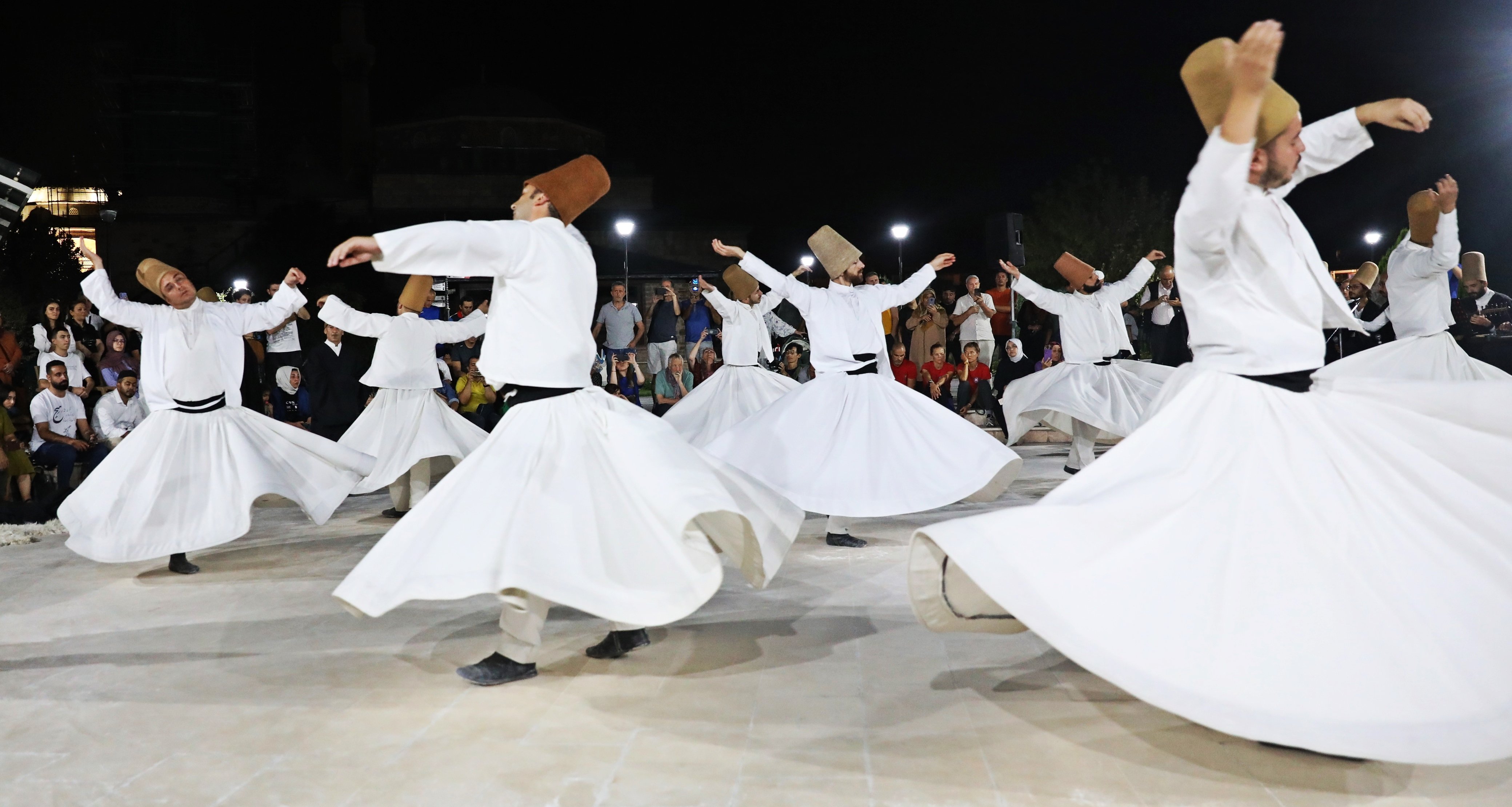
The Turkish devotional tradition is defined by Suleyman Celebi's Vesiletu'n-Necat (The Means of Salvation), composed in 1409. This poem is chanted during holy nights and life-cycle events—births, weddings, and funerals. Khaqani's Turkish Hilya sings: "God loved this light and said: 'My beloved friend!' And became enamored of this light." The Mevlevi whirling ceremony, founded by followers of Rumi, expresses through sacred dance the soul's revolution around the Divine Sun—the Nur Muhammad.
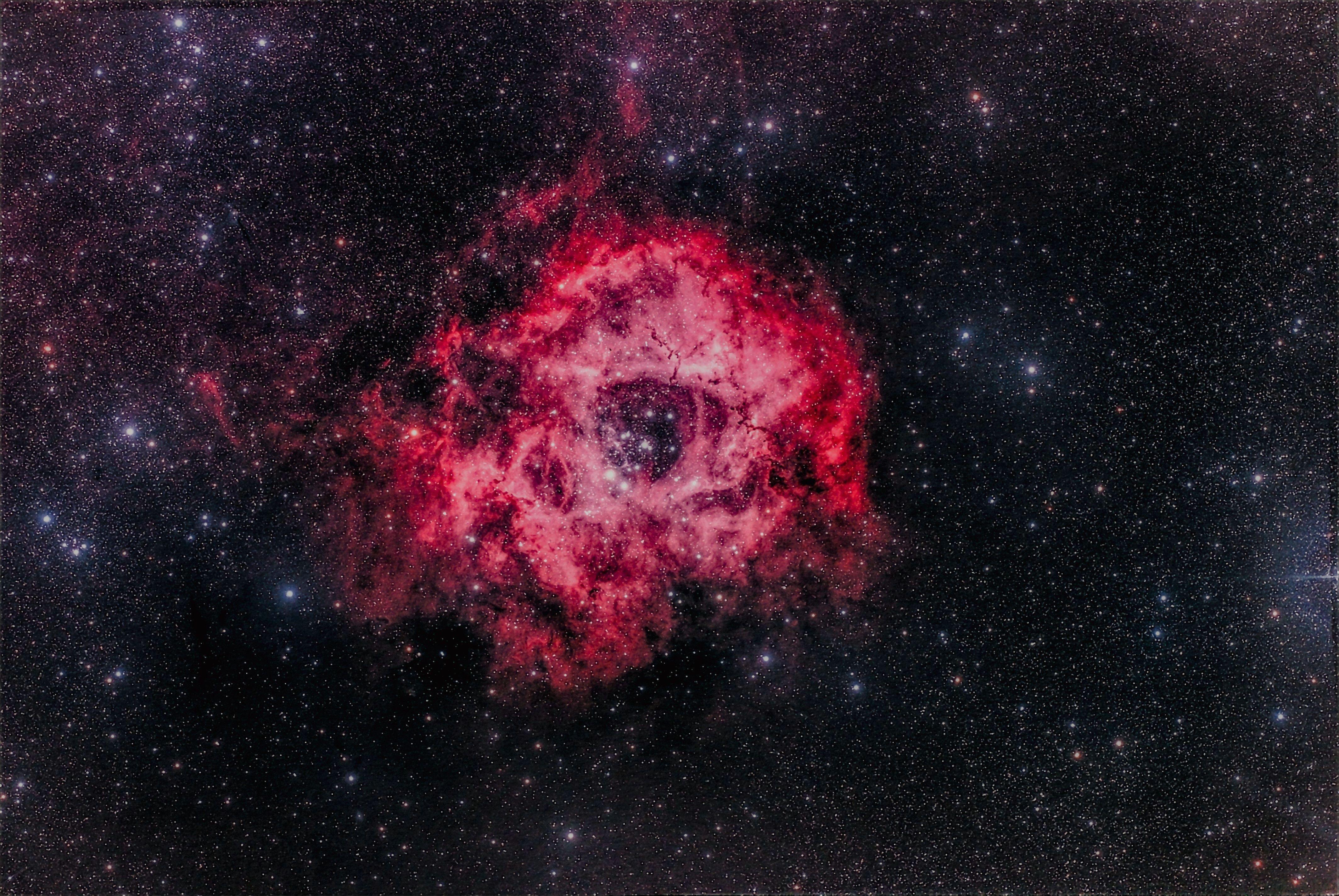
The Alchemy of Love
A tribute to the Prophet Muhammad by Rumi
You come to us from another world,
From beyond the stars and void of space.
Transcendent, Pure,
Of unimaginable beauty,
Bringing with you the essence of love.
You transform all who are touched by you.
Mundane concerns, troubles, and sorrows
dissolve in your presence,
Bringing joy to ruler and ruled,
To peasant and king.
You bewilder us with your grace.
All evils transform into goodness.
You are the master alchemist.
You light the fire of love
in earth and sky,
in heart and soul
of every being.
Through your love
existence and nonexistence merge.
All opposites unite.
All that is profane
becomes sacred again.
Naat & Qawwali Traditions
Naat is a genre of poetry exclusively dedicated to praising the Prophet Muhammad, deeply rooted in South Asian devotional life. In qawwali gatherings, the leading singer and responding chorus build to states of near ecstasy. Amir Khusrau's famous ghazal—"Muhammad was the candle there, the nightly place in which I was"—remains among the most beloved songs performed. Abdul Qadir al-Gilani described the Prophet as "the central pearl in the necklace of prophethood and the gem in the diadem of messengers."
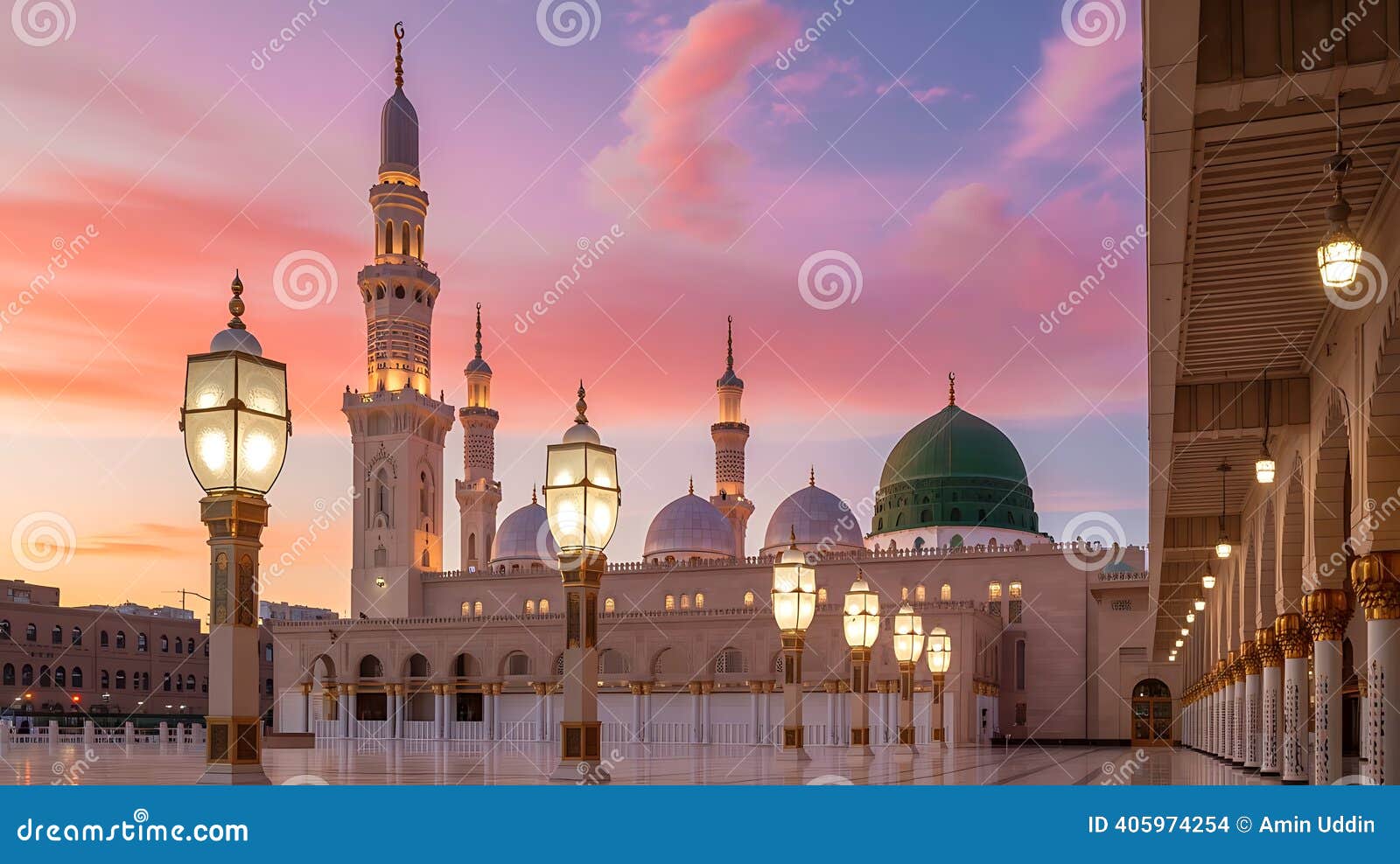
Masjid Nabawi — golden sunset over Medina
My Performance
Part 1
A personal offering of devotion to the Beloved Prophet, recorded in the spirit of the centuries-old tradition of praising the Light of Muhammad.
Tap to listen
My Performance
Part 2
Moments that shaped the journey — captured in time
Tap to listen
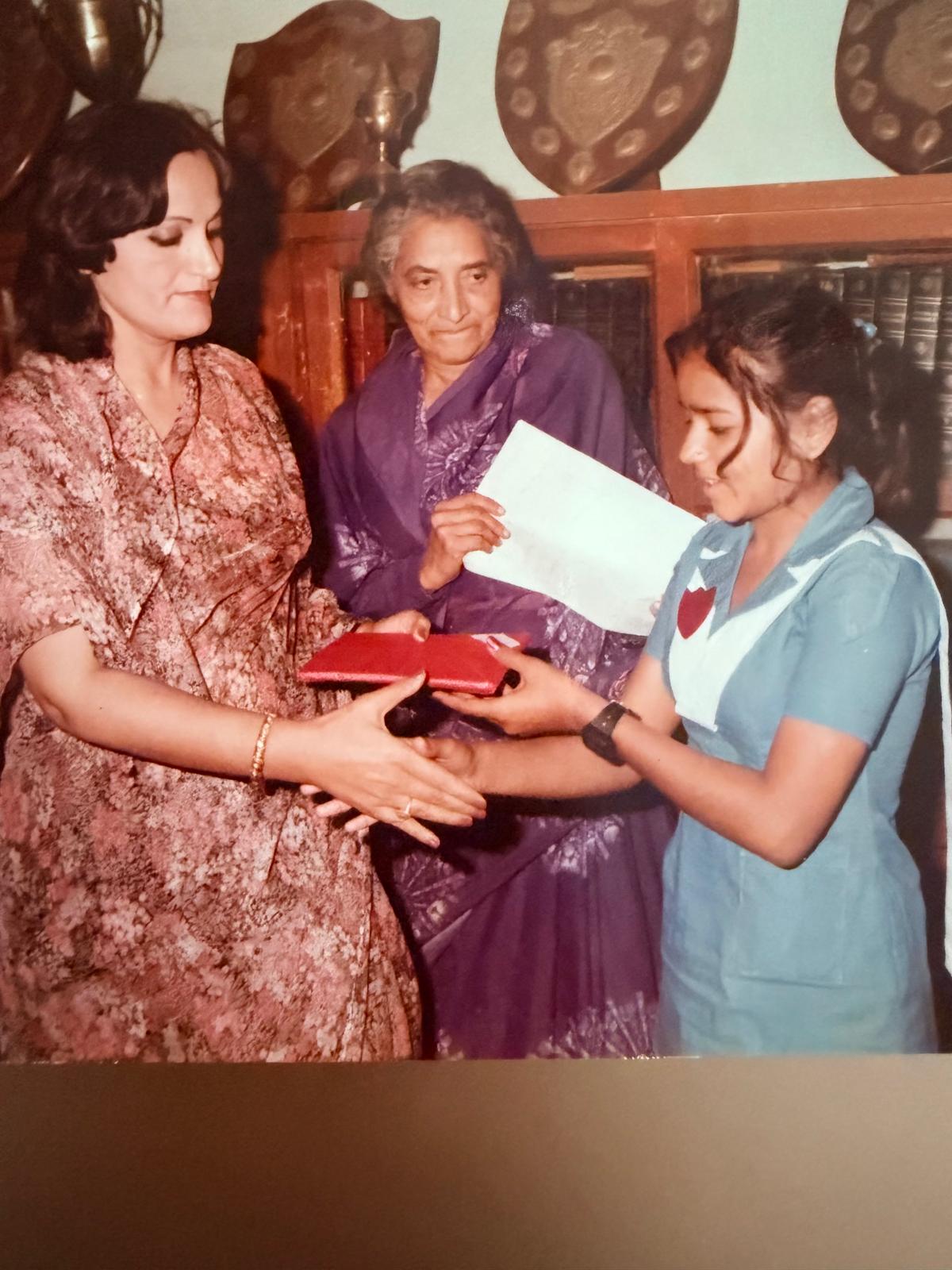
A cherished moment — receiving recognition with grace and pride
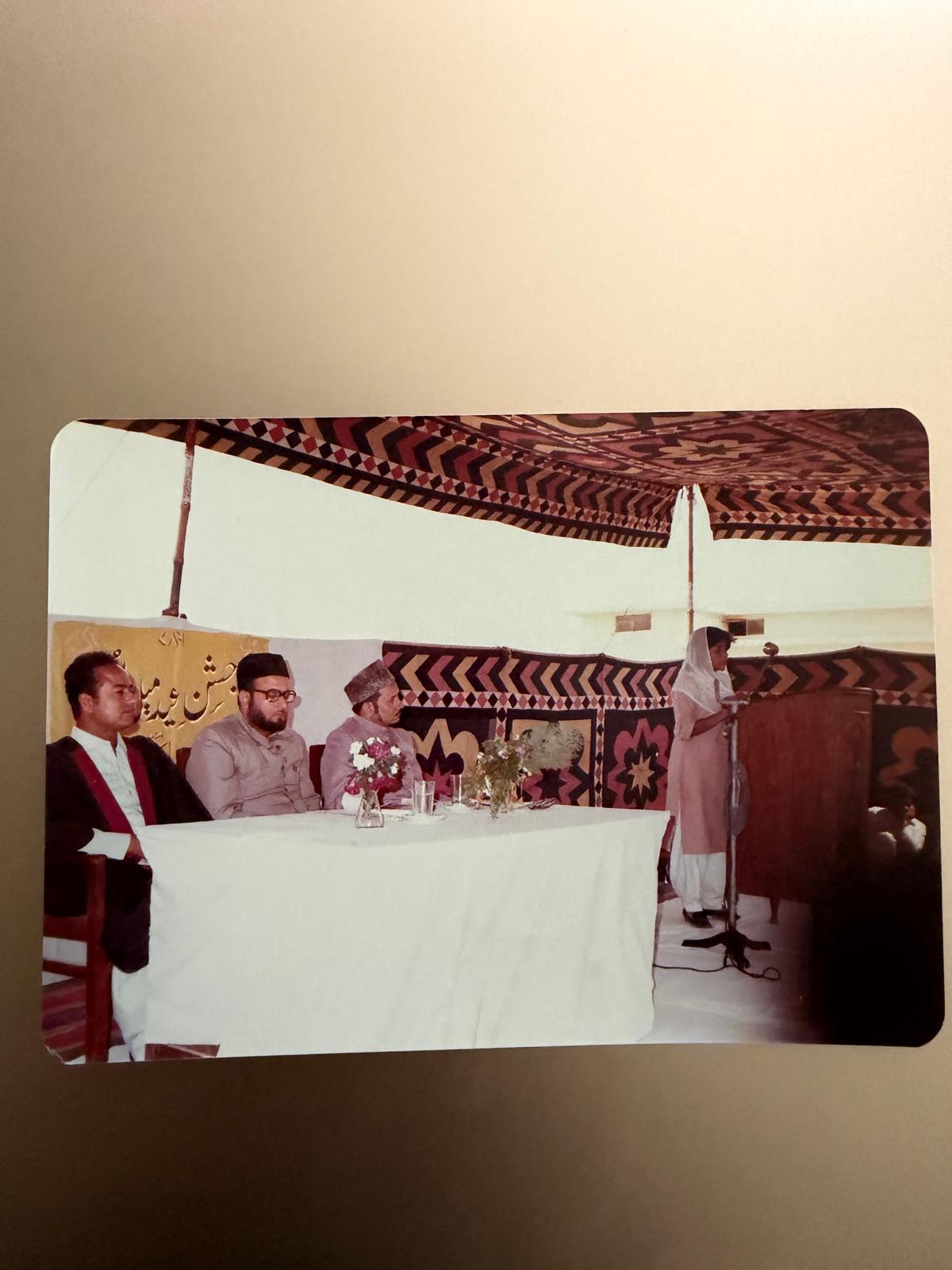
Jashn-e-Eid Milad — celebrating the Prophet's birth
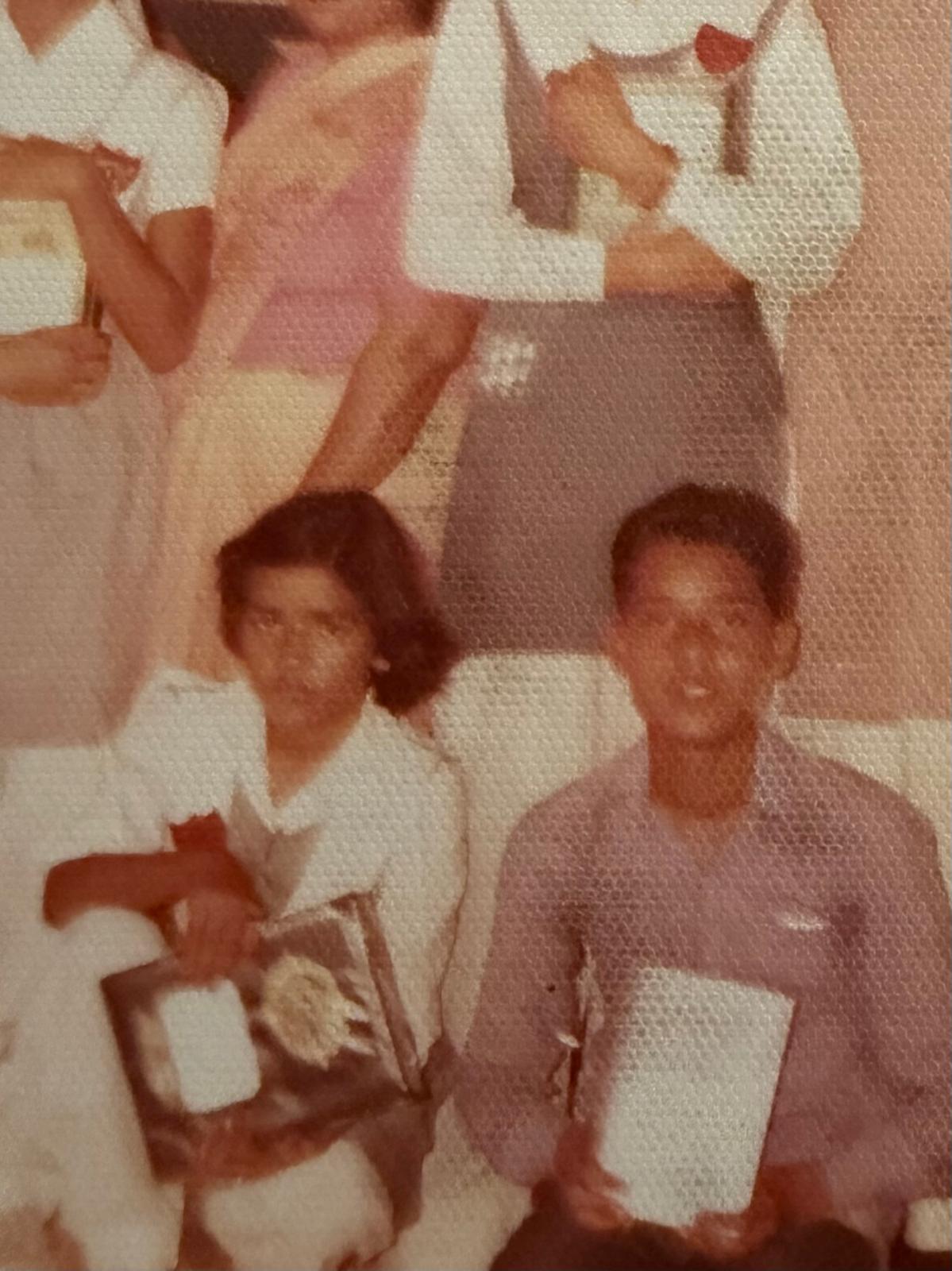
Family bonds — treasured connections
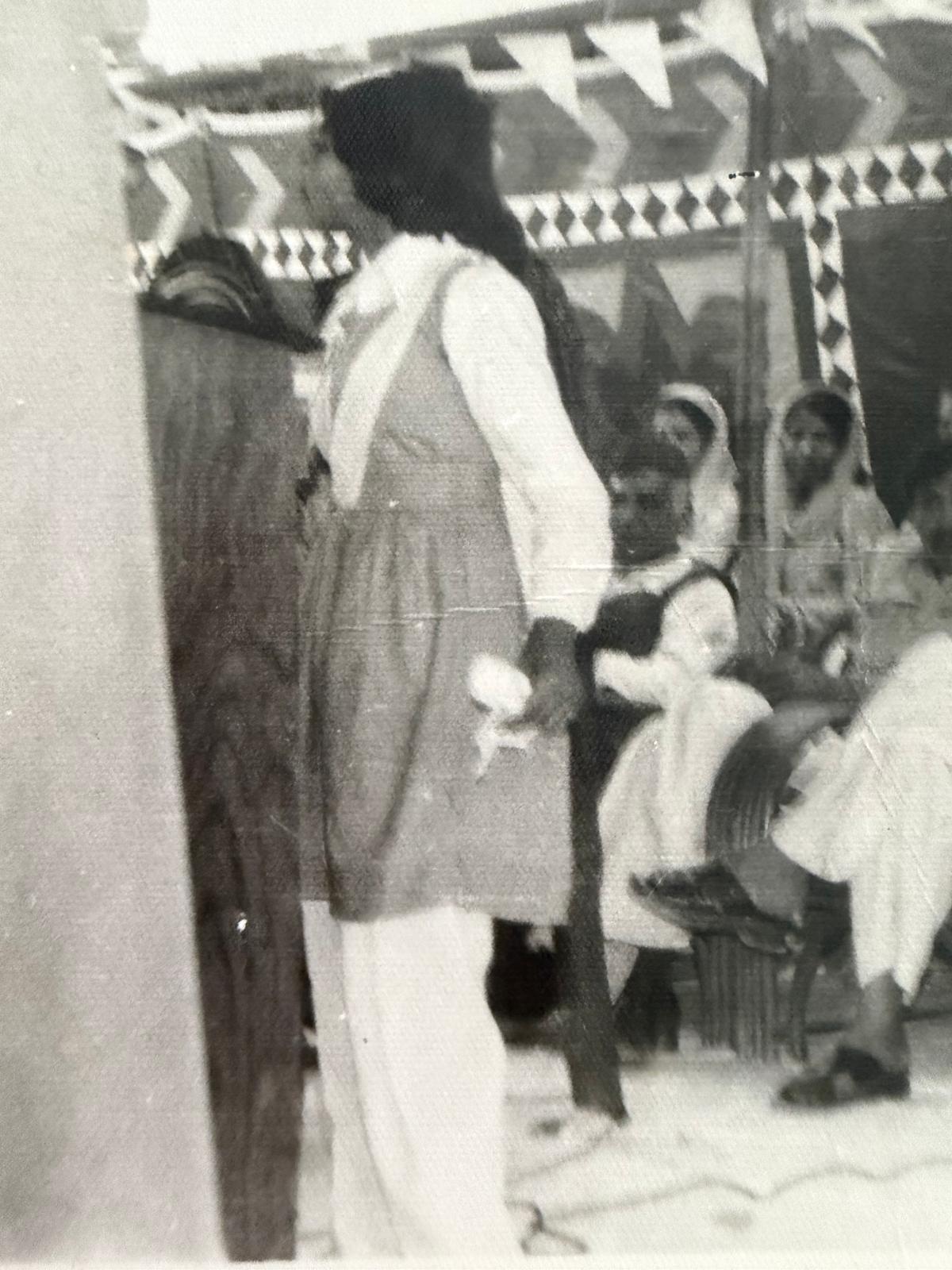
Devotion in action — speaking from the heart
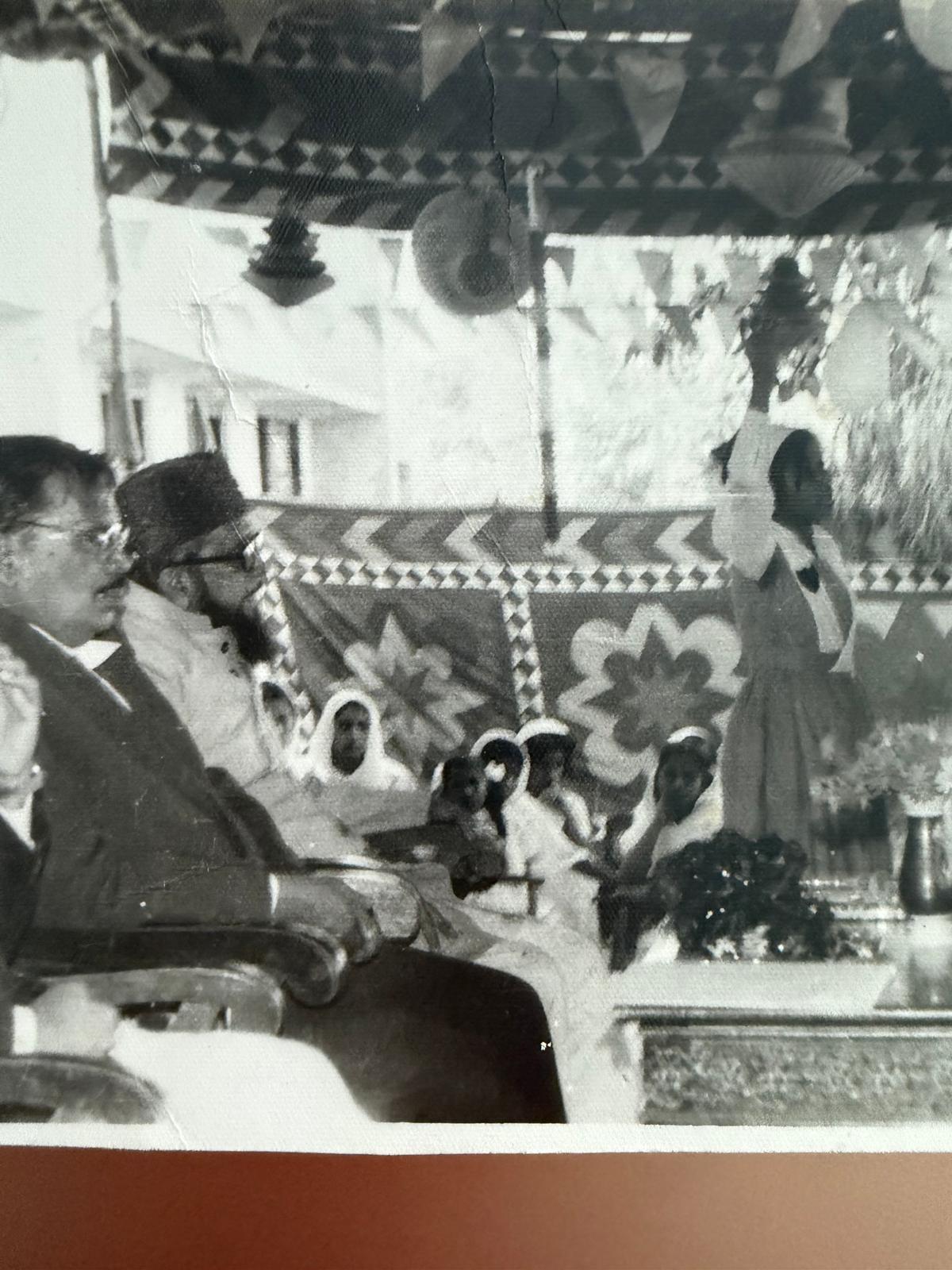
A community united in celebration
My Performance
Part 3
Tap play to listen